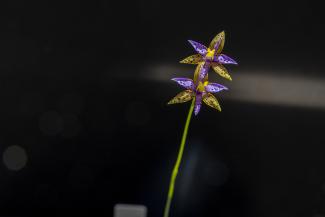
One of Australia’s most endangered orchids bought back from brink of extinction
For years, the future of the Queen of Sheba (Thelymitra variegata) orchid has been uncertain. Found only in small pockets of banksia woodland on the Swan Coastal Plain, fewer than 30 plants are thought to remain in the wild, making the species critically endangered.
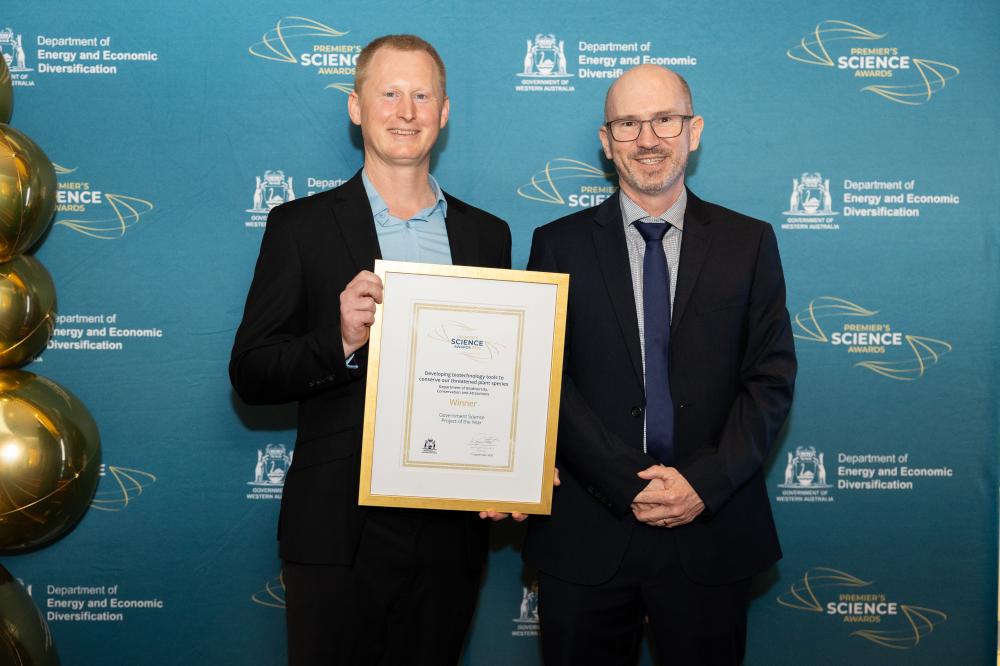
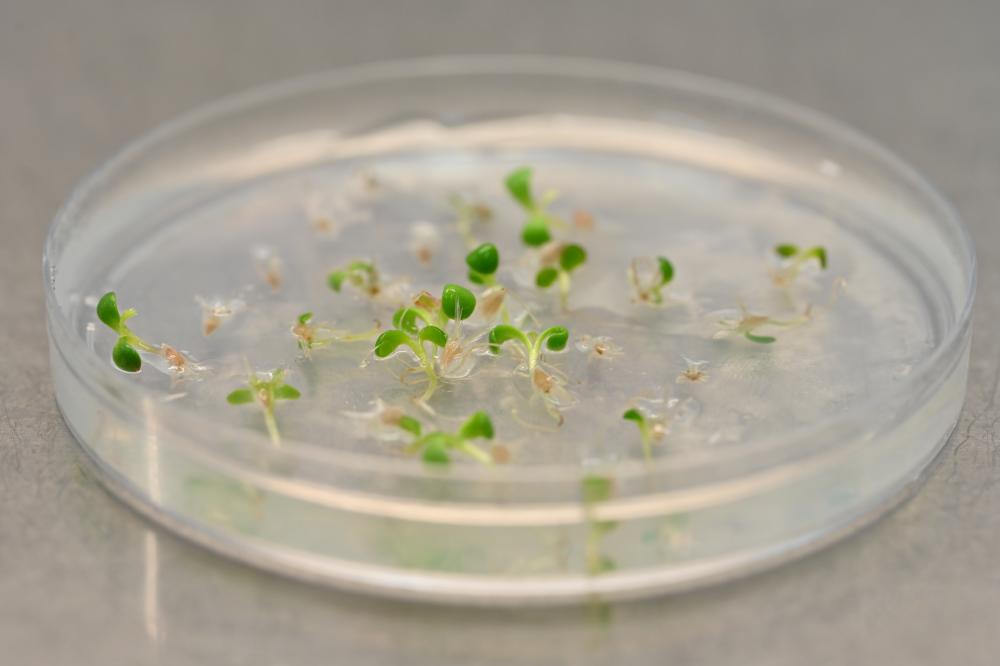
To help secure its future, scientists at Kings Park have developed a new propagation technique using somatic embryo technology, allowing large numbers of orchids to be grown from a very small amount of seed material held in conservation collections.
The technique has the potential to produce thousands of new plants from just a handful of seedlings, providing an important new conservation tool for threatened orchid species.
Researchers also refined the growing process, producing underground tubers up to 10 times larger than those grown using traditional methods. These larger plants are expected to improve establishment and development.
The work reached an exciting milestone this year when one of the laboratory-grown Queen of Sheba orchids flowered for the first time.
The plant flowered after just three years, compared to around seven years for orchids grown using conventional propagation methods.
While more research is needed, the breakthrough represents an important step in the conservation of the Queen of Sheba orchid and could help strengthen future populations of the species.
Researchers are now exploring whether the technique can be applied to other threatened orchids, offering new opportunities to conserve some of Western Australia's most vulnerable native plants.
To find out more about how you can get involved in orchid conservation, visit our Saving Orchids for the Future page.